You Won’t Believe What Darwin’s Wild Side Revealed
I went to Darwin expecting heat and crocs—but what I found was pure magic. Wandering through its untamed landscapes felt like stepping into a living postcard. From golden sunsets over the Timor Sea to hidden waterfalls deep in the bush, nature here doesn’t whisper; it roars. This isn’t just a stopover—it’s a soul-stirring journey through some of Australia’s most breathtaking natural scenery. Let me take you where the wild things are.
First Impressions: Beyond the Tropical Vibe
Arriving in Darwin, the humidity wraps around you like a warm embrace. The city pulses with a relaxed rhythm, shaped by its tropical climate and remote location at the top of Australia. Many travelers pass through quickly, assuming it’s merely a launching pad for deeper adventures in the Northern Territory. But those who pause soon discover that Darwin itself is framed by extraordinary natural beauty. The city’s edges blur into wild bushland, tidal flats, and coastal stretches where the land meets the sea in dramatic fashion.
Driving north from the airport, the landscape begins to unfold in layers. Paperbark trees line the roadside, their peeling bark catching the sunlight. Termite mounds rise like ancient sentinels in open fields. The air carries the scent of wet earth and eucalyptus, especially after a brief afternoon shower. It’s not uncommon to spot a wallaby darting across a quiet road or a white-bellied sea eagle circling high above. These small moments signal that you’re entering a region where nature is not contained but dominant.
What sets Darwin apart is how seamlessly urban life coexists with wilderness. The city’s parks and coastal paths are not manicured displays but living ecosystems. The Stuart Highway, a major route leading out of town, quickly transitions from suburban streets to open savannah, reminding visitors that adventure begins just minutes from downtown. Whether it’s a morning walk along the waterfront or a weekend escape to a nearby national park, the opportunity to connect with nature is immediate and accessible.
This accessibility makes Darwin more than a gateway—it’s a starting point for a deeper relationship with the natural world. The city’s laid-back energy encourages slowing down, observing, and appreciating the subtleties of tropical life. It’s a place where you learn to notice the way light filters through a canopy of fig leaves or how birds call in chorus at dusk. These are not grand spectacles but quiet revelations, the kind that linger long after the trip ends.
Sunset Magic at Mindil Beach: More Than Just a View
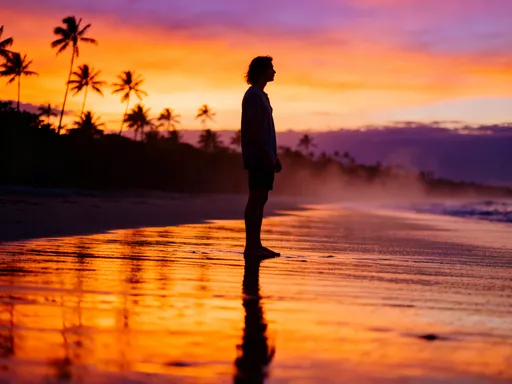
If Darwin has a heartbeat, it beats strongest at Mindil Beach during sunset. As the day cools, locals and travelers alike gather on the sand, picnic baskets in hand, to witness one of the most celebrated daily rituals in the Northern Territory. The sky transforms into a canvas of molten gold, soft lavender, and deep tangerine, reflecting off the calm waters of the Timor Sea. The moment the sun dips below the horizon, a collective hush falls over the crowd—followed by spontaneous applause. It’s a tradition that turns a natural event into a shared celebration.
But the magic of Mindil Beach extends beyond the visual. The adjacent Sunset Market, open from April to October, turns the shoreline into a vibrant cultural hub. The air fills with the aroma of sizzling satay, wood-fired pizzas, and coconut curries. Vendors from around the world offer everything from Thai noodles to Portuguese custard tarts. Live music drifts across the dunes, and handmade crafts line the walkways. Families spread blankets, children chase sandpipers at the water’s edge, and couples stroll barefoot along the tide line.
Timing is key to enjoying the experience fully. Arriving an hour before sunset ensures a good spot on the sand and time to explore the market without rushing. While weekends draw larger crowds, weekday visits offer a more relaxed atmosphere. Parking can be limited, so many opt for taxis or rideshares. For those seeking comfort, a few local companies offer sunset picnic packages with chairs, drinks, and pre-ordered meals delivered right to your beach blanket.
What makes Mindil Beach unforgettable is not just the beauty of the sunset but the sense of community it fosters. In a region known for its vast distances and sparse population, this gathering feels intimate and grounding. It’s a reminder that nature’s most powerful moments are often best shared. The ritual of watching the sun disappear into the sea becomes a pause in the rush of daily life—a moment of stillness, gratitude, and connection.
Litchfield National Park: Where Waterfalls Whisper Secrets
Just two hours’ drive south of Darwin, Litchfield National Park emerges as a tropical oasis of waterfalls, crystal-clear plunge pools, and ancient termite mounds. Unlike more remote destinations, Litchfield is easily accessible by sealed and well-maintained roads, making it ideal for families, solo travelers, and first-time visitors to the Top End. The park’s lush greenery and refreshing waters offer a striking contrast to the surrounding dry savannah, creating a sense of stepping into another world.
Florence Falls is often the first stop for many visitors, and for good reason. A short walk from the car park leads to a cliff-top lookout with panoramic views of the double-tiered waterfall cascading into a wide, emerald-green pool below. A staircase winds down to the base, where swimmers can cool off in the shaded waters. The sound of falling water, the mist on your skin, and the dappled sunlight filtering through the paperbark trees create a sensory experience that feels both invigorating and calming.
Wangi Falls offers a more expansive swimming area, with a large lagoon fed by a single, powerful cascade. A picnic area with barbecues and shaded tables makes it a popular spot for lunch. The nearby Wangi Falls plunge pool is safe for swimming during the dry season, though rangers may close it after heavy rains due to increased crocodile activity. A walking trail loops around the falls, offering views from multiple angles and passing through pockets of monsoon forest where ferns and vines thrive.
One of Litchfield’s most unique features is the Buley Rock Pool, a series of natural rock formations that create a chain of calm, shallow pools. The water flows gently from one level to the next, perfect for wading or floating. Unlike the more dramatic waterfalls, Buley feels secluded and peaceful, even on busy days. A well-maintained boardwalk guides visitors through the area, protecting the delicate vegetation while ensuring easy access.
Equally fascinating are the magnetic termite mounds, some reaching over two meters in height. These north-south aligned structures are engineering marvels, regulating temperature and moisture for the colonies within. Guided tours offer insights into their biology and purpose, but even a casual observer can’t help but marvel at their precision and durability. The park’s network of walking trails, ranging from easy strolls to longer hikes, allows visitors to explore at their own pace.
Visiting between May and October—the dry season—ensures the best conditions for swimming and sightseeing. During the wet season, many roads become impassable, and swimming is discouraged due to crocodile presence. Staying hydrated, wearing sturdy footwear, and following park signage are essential for a safe and enjoyable experience. Litchfield is not just a destination; it’s an invitation to immerse yourself in nature’s quiet wonders.
Kakadu’s Ancient Heart: Landscape and Legacy
Stretching across nearly 20,000 square kilometers, Kakadu National Park is one of Australia’s most iconic natural and cultural landscapes. A UNESCO World Heritage Site, it protects a vast mosaic of wetlands, escarpments, floodplains, and monsoon forests. But what truly sets Kakadu apart is its deep human history—Aboriginal people have lived in this region for over 65,000 years, leaving behind a rich legacy of rock art, storytelling, and stewardship of the land.
Two of the most significant cultural sites in Kakadu are Ubirr and Nourlangie, both offering breathtaking views and profound historical insights. At Ubirr, a short climb leads to a rock shelter adorned with ancient paintings depicting extinct animals, ancestral beings, and hunting scenes. The artwork is not merely decorative; it serves as a record of knowledge, law, and spiritual belief. Rangers and local guides explain the stories behind the images, connecting visitors to a worldview that sees the land as alive and sacred.
From the same vantage point, the Nadab Lookout offers a sweeping panorama of the Nadab floodplain, where water lilies, lotus flowers, and grasslands stretch to the horizon. At sunrise or sunset, the light transforms the wetlands into a shimmering mirror, reflecting the sky in hues of pink and gold. It’s a place where time seems to slow, inviting contemplation and reverence.
Nourlangie, located in the park’s central region, features a series of rock shelters with intricate paintings, including the famous Anbangbang Gallery. One of the most striking images is of Namarrgon, the Lightning Man, a powerful ancestral figure associated with the wet season storms. The surrounding landscape of cracked sandstone and towering cliffs feels otherworldly, shaped by millions of years of erosion. A well-marked walking trail guides visitors through the site, with interpretive signs providing context and respect protocols.
Exploring Kakadu responsibly means honoring both its natural and cultural significance. Visitors are encouraged to stay on designated paths, avoid touching rock art, and listen to local voices. Many tours are led by Aboriginal-owned operators, ensuring that the stories shared are authentic and that economic benefits support the community. Kakadu is not a museum but a living landscape, where tradition and nature continue to evolve together.
The park’s biodiversity is equally impressive. Saltwater crocodiles glide through billabongs, wallabies dart through the underbrush, and over 280 bird species call Kakadu home. The wetlands attract migratory birds from across Asia, making it a prime destination for birdwatchers. Whether by boat, on foot, or from a scenic lookout, every encounter with wildlife feels like a privilege.
The Wetlands & Wildlife: Close Encounters Without the Crowds
Surrounding Darwin, a network of wetlands and rivers supports an astonishing variety of plant and animal life. These ecosystems, often overlooked by hurried travelers, are among the most dynamic in northern Australia. The Black Jungle Conservation Reserve, just 30 minutes from the city, protects one of the last remaining stands of tropical monsoon forest in the region. Boardwalks wind through dense vegetation, offering close-up views of orchids, ferns, and rare birds like the chestnut-quilled rock pigeon.
Further afield, the Adelaide River region is renowned for its wildlife cruises, particularly those focusing on saltwater crocodiles. These guided boat tours navigate narrow waterways lined with paperbark and mangrove trees, where crocodiles sun themselves on muddy banks or glide silently through the water. While sightings are never guaranteed, experienced guides know the habits and habitats of individual crocs, increasing the chances of a safe and educational encounter.
What makes these tours special is their emphasis on respect and conservation. Guides share information about crocodile behavior, breeding cycles, and the importance of coexisting with these apex predators. They also highlight the delicate balance of the wetland ecosystem, where fish, turtles, and birds all play a role. Unlike more commercialized experiences, many operators keep group sizes small, ensuring a personal and low-impact journey.
Birdwatching is another quiet joy in this region. The jabiru, Australia’s tallest flying bird, stalks through shallow waters with deliberate grace. Kingfishers flash electric blue as they dive for fish, and rainbow pittas—rare and elusive—sometimes reveal themselves in the undergrowth. Early mornings are the best time for observation, when the air is cool and animals are most active.
For those who prefer to explore independently, the Berry Springs Nature Park offers a more relaxed setting. A series of clear, spring-fed pools are surrounded by shady paperbark trees, creating a natural swimming hole perfect for families. A walking trail loops through the area, passing fig trees and bird hides. It’s a place where children can splash safely while adults soak in the tranquility.
Responsible wildlife viewing means keeping a safe distance, avoiding feeding animals, and minimizing noise. These practices protect both visitors and the environment. The beauty of Darwin’s wetlands lies not in spectacle but in subtlety—the rustle of reeds, the ripple of water, the sudden call of a hidden bird. These are the moments that create lasting memories.
Hidden Gems: Off-the-Beaten-Path Wandering
Beyond the well-trodden trails of Litchfield and Kakadu lie quieter corners of the Top End that offer solitude and surprise. The Jumping Crocodile Cruise on the Adelaide River is a long-standing favorite, not just for the chance to see crocodiles leap for food, but for the chance to learn about river ecology from passionate local guides. While the ‘jumping’ behavior is encouraged with bait, the experience is carefully managed to avoid habituation, and educational content emphasizes conservation.
The Casuarina Coastal Reserve, often bypassed by tourists, is a local secret for walking, cycling, and birdwatching. A network of trails follows the coastline, passing dunes, woodlands, and tidal creeks. At low tide, the mudflats attract flocks of migratory shorebirds, while the casuarina trees provide shade and shelter. The reserve is also home to the Darwin Military Museum, adding a historical dimension to a day outdoors.
For a truly secluded escape, the Mary River National Park offers vast floodplains, fishing spots, and the chance to see lilies bloom in the wet season. Unlike more crowded parks, Mary River sees fewer visitors, allowing for a more intimate experience with nature. Guided fishing tours target barramundi, a prized sport fish, while nature walks reveal wallabies, goannas, and water pythons.
These lesser-known destinations share a common thread: they invite presence. Without crowds or distractions, visitors are more likely to notice the small details—the pattern of a spiderweb, the call of a distant frog, the way light shifts across the water. They remind us that adventure doesn’t always require grand destinations; sometimes, it’s found in the stillness between moments.
Why Wandering Here Changes You
Wandering through Darwin’s natural scenery is not a passive experience—it’s a transformation. The vastness of the landscape quiets the mind, replacing the noise of daily life with the rhythm of wind, water, and wildlife. The raw beauty of a waterfall, the awe of ancient rock art, the thrill of spotting a crocodile in the wild—these moments shift perspective. They remind us of our place within a much larger story, one that began long before us and will continue long after.
The pace of life in the Top End encourages mindfulness. There is no rushing through a sunset or hurrying past a rock painting. Time expands, allowing space for reflection, gratitude, and connection. Families unplug from devices and reconnect with each other. Solo travelers find clarity. Couples deepen their bond through shared wonder. The land does not demand anything of you—only that you be present.
But perhaps the greatest gift Darwin offers is a renewed sense of balance. In a world that often feels fragmented, the integration of nature and culture here feels whole. The land is not just scenery; it is teacher, healer, and guide. Whether standing at the edge of a cliff at Ubirr, floating in a crystal-clear pool at Litchfield, or watching the sun vanish into the sea at Mindil Beach, you are not just visiting—you are becoming part of the landscape.
So let go of expectations. Come not just to see, but to feel. Let the heat, the colors, the silence, and the stories reshape you. Darwin is not a dot on the map. It is a doorway—an invitation to wander deeply, listen closely, and return home changed.