You Gotta See These Medina Districts – My Honest Check-In
Medina isn’t just a spiritual destination – it’s a living mosaic of neighborhoods, each with its own rhythm and soul. I recently checked in to explore beyond the holy sites, diving into the city’s distinct districts. From the serene paths near Al-Masjid an-Nabawi to the bustling local markets and quiet residential corners, Medina surprised me with its depth. If you’re planning a visit, let this be your real-talk guide to experiencing the city like someone who’s walked its streets, not just passed through.
Arrival & First Impressions – Stepping into a Timeless City
As the bus pulled into the Medina Central Bus Station, a sense of calm settled over me. The city greeted visitors not with noise or chaos, but with a quiet dignity that seemed to echo through the warm desert air. Modern roads and wide avenues led into the heart of the city, lined with date palms and soft golden lighting that glowed even in daylight. Yet, beneath this contemporary infrastructure lay a deeply historic soul. The skyline was anchored by the towering minarets of Al-Masjid an-Nabawi, visible from miles away, drawing pilgrims and travelers like a beacon.
What struck me most was the seamless blend of old and new. While the transportation system and signage reflected Saudi Arabia’s rapid modernization, the atmosphere remained reverent. Men in white thobes and women in modest abayas moved with purpose, many carrying prayer beads or small copies of the Quran. The pace was unhurried, as if the city itself encouraged reflection. Even the air carried a faint scent of oud and incense, drifting from nearby shops and homes.
As I made my way toward the city center, the first hints of Medina’s diverse districts began to emerge. To the east, the quiet lanes of Quba whispered of ancient beginnings. To the west, the hum of Al-Noor Mall signaled modern life. And at the heart of it all, the sacred district surrounding the Prophet’s Mosque stood as the spiritual nucleus, around which all other areas orbited. This was not a city frozen in time, nor one chasing modernity at all costs—it was a place in thoughtful balance.
Al-Masjid an-Nabawi District – The Sacred Core
The area surrounding Al-Masjid an-Nabawi is more than just a religious site; it is the pulsing heart of Medina. This district is designed with pilgrims in mind, with wide walkways, shaded corridors, and an efficient flow system that manages the constant movement of worshippers. Staying within a ten-minute walk of the mosque offers unparalleled access, especially for the five daily prayers and the deeply moving night prayers during Ramadan.
The spiritual energy here is tangible. Even at midday, when the sun blazes overhead, the mosque grounds remain a place of serenity. The soft recitation of Quranic verses blends with the footsteps of thousands, creating a rhythm that feels both personal and collective. The mosque’s architecture—vast courtyards, silver domes, and towering minarets—invites awe without overwhelming. Inside, the Rawdah, a section near the Prophet’s tomb, is one of the most cherished spaces in Islam. Access is carefully managed, and waiting times can be long, but the moment of entry is often described as transformative.
For visitors, staying near the mosque means convenience but also requires preparation. Accommodations range from budget guesthouses to luxury hotels, many of which offer direct access to the mosque via climate-controlled walkways. The area is bustling at all hours, so light sleepers may want to choose rooms facing away from the main entrances. It’s also wise to pack a small prayer mat, a reusable water bottle, and comfortable footwear, as walking is inevitable. Women should ensure their abayas are loose and breathable, especially during warmer months.
Timing your visits can greatly enhance the experience. Early morning and late evening prayers tend to be less crowded, offering a more intimate atmosphere. Fajr (dawn prayer) is particularly beautiful, as the first light filters through the mosque’s grand windows. For those seeking deeper reflection, the night hours between Isha and Fajr provide a rare stillness, when the crowds thin and the air cools. This district is not just about proximity to a holy site—it’s about immersion in a continuous act of devotion.
Quba District – Where History Begins
Just a few kilometers southeast of Al-Masjid an-Nabawi lies the Quba District, home to the Quba Mosque—the first mosque ever built in Islamic history. Visiting this area feels like stepping into the origins of a faith. The mosque itself has been beautifully maintained, with a spacious courtyard and shaded arcades perfect for quiet contemplation. The Prophet Muhammad (peace be upon him) is said to have laid its foundation stones upon his migration from Mecca, making it a site of profound historical and spiritual significance.
Unlike the grand scale of the Prophet’s Mosque, Quba offers a more grounded, human-scaled experience. The surrounding neighborhood is primarily residential, with modest homes, small grocery stores, and local tea shops. Families walk to the mosque for prayer, children play in quiet alleys, and elders sit outside their homes, greeting passersby with warmth. There’s a rhythm to daily life here that feels unhurried and authentic.
One of the most memorable moments of my stay was attending Fajr prayer at Quba Mosque. Arriving before sunrise, I joined a modest but devoted congregation. The imam’s recitation was soft yet powerful, and the air was filled with a sense of peace. After prayer, many visitors follow the tradition of offering two rak’ahs as a Sunnah, believed to carry special merit. The mosque’s courtyard, bathed in early light, became a place of personal reflection.
What makes Quba special is its accessibility and tranquility. While it attracts visitors, it never feels overcrowded. Staying in this district allows travelers to experience Medina beyond the pilgrimage circuit. Local guesthouses offer simple but clean accommodations, and home-cooked meals are sometimes available upon request. For those seeking a deeper connection to Islamic history, a morning in Quba is not just a visit—it’s a journey back to the roots.
Al-Noor Mall & Modern Medina – A Glimpse of Urban Life
Near the western edge of the city lies Al-Noor Mall, a symbol of Medina’s evolving urban landscape. Staying in this district offers a different kind of comfort—one that blends modern amenities with cultural respect. The area is home to several mid-range and upscale hotels, many of which cater to families and long-term visitors. My stay at a hotel just a ten-minute drive from the mall provided a welcome balance: easy access to the city’s core, yet enough distance to enjoy quiet evenings and restful nights.
Al-Noor Mall itself is more than just a shopping center. It’s a social hub where families gather, children play in designated areas, and women browse modest fashion boutiques. The food court offers a variety of options, from traditional Saudi dishes like kabsa and mandi to international favorites like pasta and sandwiches. What stood out was the attention to modesty and family values—music is minimal, dress codes are respected, and spaces are designed to be inclusive for all ages.
Living in this part of Medina revealed how tradition and modernity coexist. Supermarkets stock both imported goods and locally grown dates, while pharmacies carry everything from prescription medications to natural remedies like black seed oil. Nearby parks and walking trails provide space for exercise and relaxation, often filled with families in the cooler hours of the day. The district also has several local mosques, ensuring that spiritual life remains central even in a modern setting.
For travelers with children or those who appreciate convenience, Al-Noor District is an excellent base. It’s well-connected by taxi and ride-hailing services, and the roads are well-lit and safe. While it lacks the spiritual intensity of the central districts, it offers something equally valuable: a glimpse into how Medina’s residents live today. This is not a city that has turned its back on the past, but one that carries it forward with dignity and care.
Old Medina & Heritage Corners – Walking Through Layers of Time
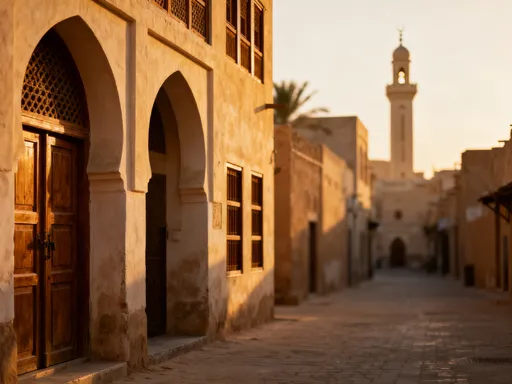
Beyond the well-trodden paths of the main districts lies the Old Medina—a network of narrow alleys, historic homes, and centuries-old structures that whisper stories of the past. Exploring these areas requires curiosity and a willingness to wander without a fixed destination. The architecture here is striking: buildings with coral stone walls, wooden balconies, and intricately carved doors that hint at a rich artistic heritage.
While much of the original city has been redeveloped to accommodate growing numbers of visitors, preservation efforts have saved key sections of the historic core. Walking through these neighborhoods, I noticed the quiet resilience of local life. Elderly residents sat in doorways, sipping tea and observing the world pass by. Small shops sold spices, prayer beads, and handmade incense, their shelves lined with glass jars and woven baskets. The scent of oud and amber hung in the air, mingling with the earthy aroma of damp stone after a rare rain.
Navigating the Old Medina can be challenging. Street signs are sparse, and GPS signals sometimes falter in the narrow passages. But this is part of its charm. Getting slightly lost led me to unexpected discoveries: a hidden courtyard mosque, a family-run bakery selling fresh samosas, and a quiet plaza where children played under the shade of a centuries-old tree. These moments felt more personal, more real, than any guided tour could offer.
For travelers seeking authenticity, these heritage corners are worth the effort. While they may not have the grandeur of the Prophet’s Mosque, they offer something deeper—a sense of continuity, of a city that has lived and breathed for generations. Visiting here is not about ticking off landmarks, but about absorbing the atmosphere, listening to the quiet hum of daily life, and honoring the layers of history beneath your feet.
Residential Zones – Life Beyond the Pilgrimage Path
To truly understand Medina, I decided to stay in residential neighborhoods like Al-Aziziya and Al-Riyadh, areas where families live, children go to school, and life unfolds in its ordinary beauty. These districts are often overlooked by pilgrims focused on religious sites, but they offer some of the most meaningful experiences in the city.
My stay in Al-Aziziya began with a warm welcome from a local family who rented out a furnished apartment. The neighborhood was peaceful, with tree-lined streets and well-kept homes. Each morning, the call to prayer echoed from a nearby mosque, followed by the soft sounds of daily routines—doors opening, children laughing, cars starting. I was invited to share a meal with my hosts one evening, a simple but delicious spread of rice, lamb, and fresh salad, served with generous hospitality.
What struck me most was the sense of community. Neighbors greeted each other by name, shopkeepers remembered regular customers, and strangers exchanged polite nods. The local mosque, though modest in size, was full for every prayer, a testament to the deep faith woven into everyday life. Children played in safe, open spaces, and women walked freely in abayas, often carrying shopping bags or pushing strollers.
Staying in these areas allowed me to see Medina not just as a destination, but as a home. It reminded me that behind every holy site is a living city, with people who care for it, protect its values, and pass down its traditions. For travelers seeking peace and cultural connection, these neighborhoods offer a rare gift: the chance to slow down, listen, and belong, even if only for a few days.
Getting Around – Transport, Timing, and Smart Check-In Choices
Navigating Medina’s districts is easier than many expect, thanks to a well-organized transportation system. Walking is ideal within the central areas, especially near Al-Masjid an-Nabawi, where pedestrian pathways are wide, shaded, and well-maintained. For longer distances, taxis and ride-hailing apps like Uber and Careem are widely available and affordable. Drivers are generally courteous and familiar with major landmarks, making it easy to move between districts.
Public transport is improving, with air-conditioned buses connecting key areas, though schedules can be inconsistent. For families or those with mobility concerns, staying in hotels with shuttle services is a practical choice. Many accommodations near the mosque or Al-Noor Mall offer regular transfers, reducing the need for independent travel.
When choosing where to stay, it helps to consider your travel goals. Those focused on spiritual experience should prioritize proximity to Al-Masjid an-Nabawi. Visitors seeking comfort and convenience may prefer the Al-Noor District. For a deeper cultural immersion, residential areas like Al-Aziziya or Quba offer peace and authenticity. Timing also matters—Ramadan and Hajj seasons bring larger crowds, so booking early and planning prayer times in advance is essential.
Smart check-in choices enhance both access and peace of mind. Look for accommodations with clear reviews, reliable Wi-Fi, and proximity to essential services. Travelers with special needs should verify accessibility features in advance. Ultimately, the right base allows you to move through the city with ease, leaving more energy for reflection, connection, and discovery.
Conclusion
Medina’s districts are more than just locations on a map—they’re chapters in a journey of faith, history, and human connection. By checking in thoughtfully, travelers can move beyond the expected and discover the city’s true layers. Whether you seek peace, history, or modern ease, Medina offers a district that fits your rhythm. Choose wisely, stay open, and let the city reveal itself—one neighborhood at a time.