You Won’t Believe This Secret Dining Spot in Bruges
Bruges is more than cobblestone streets and chocolate shops — I stumbled upon a hidden side of the city few travelers see. Tucked away from the tourist crowds, I discovered an intimate, candlelit dinner experience that felt like stepping into a Flemish fairy tale. This isn’t just about food — it’s about atmosphere, authenticity, and the kind of moment you remember long after your trip ends. If you think you know Bruges, think again. The city’s charm deepens after sunset, when the day-trippers fade and the ancient stones seem to whisper stories only the quiet hours can reveal. This is where travel transforms from sightseeing to soul-stirring.
The Magic of Bruges After Dark
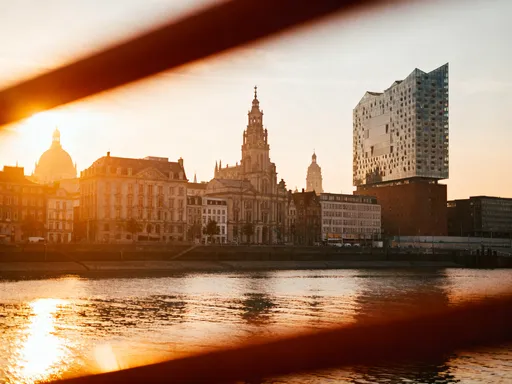
As dusk settles over Bruges, the city undergoes a quiet transformation. The midday throngs that fill the Markt and Grote Markt gradually disperse, their camera clicks and chatter replaced by the soft echo of footsteps on centuries-old cobbles. Streetlamps flicker to life, casting golden halos on the canals, their still waters reflecting the gabled facades like living paintings. The air grows cooler, crisper, carrying the faint scent of woodsmoke and freshly baked waffles from shuttered stalls. In these hushed moments, Bruges reveals a side rarely captured in guidebooks — one of intimacy, stillness, and timeless elegance.
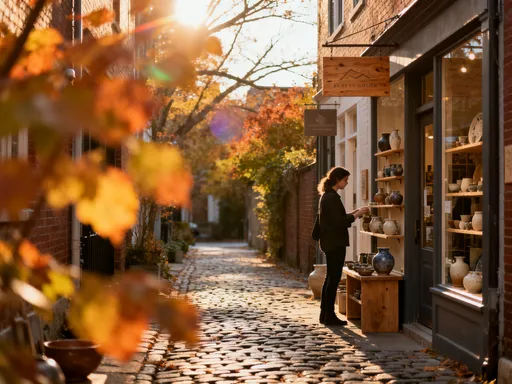
While the central squares buzz with energy during daylight, the true heartbeat of Bruges pulses in its lesser-known corners after dark. Lantern-lit alleyways, barely wide enough for two to walk side by side, wind through the medieval quarter like secret passageways. These quiet lanes, untouched by tour groups, invite slow exploration. There’s a sense of discovery in every turn — a weathered door ajar, a glimpse of a courtyard garden, the warm glow of a window where locals gather. It is in these pockets of serenity that Bruges feels not like a museum, but a living, breathing city with stories yet to be told.
Dining in Bruges at night becomes more than sustenance; it transforms into a ritual. The city’s culinary soul emerges when the sun sets, and those willing to wander beyond the main avenues find restaurants that prioritize craft over convenience, tradition over trend. The absence of crowds allows for deeper connections — with the food, the setting, and the people behind the experience. For travelers seeking more than a checklist of landmarks, Bruges after dark offers a rare gift: the chance to savor a place not as a destination, but as a feeling.
Why Specialty Dining Elevates Travel
Travel memories are often shaped by what we see, but they are most vividly preserved by what we taste. A meal enjoyed in an extraordinary setting can become the emotional centerpiece of an entire journey. Specialty dining — experiences that go beyond standard restaurant service to deliver artistry, storytelling, and cultural immersion — has the power to elevate a trip from ordinary to unforgettable. In Bruges, where history and craftsmanship define daily life, this kind of dining is not a luxury; it is a natural extension of the city’s identity.
Flemish cuisine, rooted in centuries of agricultural tradition and regional pride, thrives on simplicity and quality. Dishes like waterzooi — a velvety stew of chicken or fish, vegetables, and cream — are not merely recipes; they are heirlooms passed down through generations. The ingredients are sourced with care: butter from local dairies, herbs grown in backyard gardens, beer brewed in nearby abbeys. When these elements come together in a thoughtfully prepared meal, the result is more than nourishment — it is a narrative on a plate, one that speaks of land, labor, and legacy.
What sets specialty dining apart is the attention to presentation and atmosphere. In Bruges, a true culinary gem doesn’t rely on flashy decor or celebrity chefs. Instead, it creates an environment where every detail contributes to the experience — the weight of the silverware, the texture of the linen, the quiet hum of conversation in Dutch. The meal unfolds like a performance, each course building on the last, guided by staff who know the provenance of every ingredient. This level of intentionality turns dinner into a multisensory journey, one that resonates long after the final bite.
For the thoughtful traveler, especially those who value authenticity and connection, such experiences are invaluable. They offer a way to engage with a culture not as an observer, but as a participant. A shared toast with a local sommelier, a conversation with the chef about seasonal ingredients, the warmth of candlelight on aged wood — these moments foster a deeper understanding of place. In a world where travel can sometimes feel transactional, specialty dining restores a sense of wonder and presence.
How I Found the Hidden Spot
The discovery began not with a review or a recommendation app, but with a quiet conversation at a neighborhood wine bar. I had lingered past closing time, sipping a glass of Belgian pinot noir while chatting with the bartender about the city’s lesser-known charms. When I mentioned my love for traditional Flemish flavors, he paused, wiped the counter slowly, and said, “If you want to taste real Bruges, there’s a place… but you have to be invited.” His words were understated, almost hesitant, as if he were revealing a family secret.
The next evening, I followed his directions — vague but precise enough — down a narrow lane behind the Church of Our Lady. There were no signs, no illuminated menus, not even a name etched into the stone. Just a heavy oak door, slightly ajar, with a single candle flickering beside it. I hesitated, unsure if I had the right place, until a soft chime rang from within and a woman in a dark apron appeared, nodding as if she had been expecting me. There was no reservation book in sight, no digital tablet — just a handwritten list on aged paper.
What struck me most was the absence of performance. This was not a restaurant designed for Instagram or influencer visits. It existed for those who sought it, not those who stumbled upon it. The location was unassuming, the entrance nearly invisible to the casual passerby. There were no advertisements, no website, no presence on social media. Access was granted by word-of-mouth alone, a tradition upheld to preserve the integrity of the experience. It was clear this was not just a meal — it was a privilege, one earned through curiosity and connection.
The Experience: More Than Just a Meal
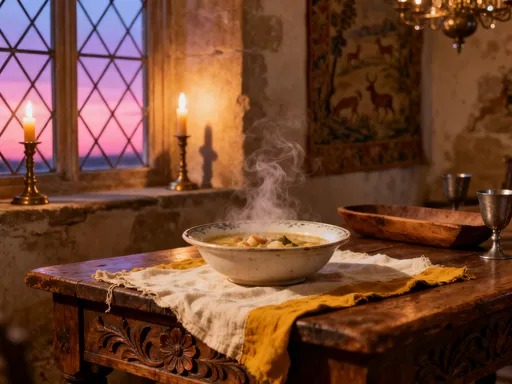
Stepping inside felt like entering another era. The room was small, lit only by dozens of flickering candles arranged on antique candelabras and window sills. The walls, lined with centuries-old brick, were adorned with faded tapestries and oil paintings of Flemish landscapes. Heavy wooden beams crossed the ceiling, and a grand fireplace glowed faintly in the corner. The air carried the rich aroma of slow-cooked meat, caramelized onions, and dark beer reduction — a scent that wrapped around you like a familiar blanket.
The seating was intimate, with only six tables arranged to allow for privacy and conversation. Each was set with linen napkins, hand-blown glassware, and cutlery that felt substantial and well-used. Soft classical music — a string quartet playing Vivaldi — played at just the right volume, present but never intrusive. The service was deliberate, almost theatrical in its precision, yet warm and personal. Dishes arrived not on trays, but carried by hand, presented with a brief explanation in quiet, accented English.
The meal began with a delicate amuse-bouche: a spoonful of smoked eel mousse on a rye crisp, paired with a sip of chilled white beer. Then came the first course — a modern interpretation of stoofvlees, the classic Belgian beef stew, served with a dollop of whole-grain mustard and a miniature waffle crisp. Each bite was layered with depth: the tender meat falling apart, the sauce rich with the complexity of aged beer and slow caramelization. The second course featured a delicate waterzooi of monkfish, its broth silkier than expected, flecked with fresh dill and served with a side of buttered parsley potatoes.
What made the experience extraordinary was not just the food, but the pacing and attention. There were no rushed courses, no distractions. Between dishes, the staff offered small glasses of local beer — a dark abbey brew with notes of plum and spice, followed by a crisp saison to cleanse the palate. The chef emerged briefly to explain the origin of the ingredients: beef aged for 28 days from a farm in West Flanders, mushrooms foraged from the Ardennes, cheese from a monastery near Ghent. These details weren’t recited for show — they were shared with quiet pride, as if each component of the meal carried a responsibility to its roots.
What Makes It Different From Typical Restaurants
In the heart of Bruges, just steps from the Belfry, dozens of restaurants cater to tourists with laminated menus, multilingual staff, and predictable dishes. While some offer decent food, many rely on volume over authenticity, serving reheated stoofvlees and pre-packaged chocolate mousse to crowds that rotate hourly. These establishments thrive on visibility — bright signage, outdoor seating, and aggressive window displays. They are designed for convenience, not connection.
The hidden dining spot stands in stark contrast. There is no online menu, no Google listing, no option to book through apps. Reservations are made by phone or in person, often weeks in advance, and only after a brief conversation to ensure the guest understands the nature of the experience. The lack of digital presence is not an oversight — it is a deliberate choice to filter out those seeking novelty over meaning. This is not a place to take a quick dinner between sightseeing stops; it is a destination in itself.
Limited seating ensures exclusivity and intimacy. With only six tables and two seatings per night, the space remains personal and unhurried. The staff-to-guest ratio is high, allowing for attentive service without formality. Dishes are prepared to order, not batched in advance, and the kitchen operates with a rhythm that respects the ingredients, not the clock. There is no pressure to turn tables, no loud music to mask silence — just the natural cadence of a well-orchestrated evening.
Perhaps most importantly, the experience is rooted in continuity. The owners are not investors or franchise operators; they are a family who has lived in Bruges for generations, committed to preserving a way of life that values slowness, craftsmanship, and respect. Their philosophy is simple: if you treat food as art and guests as honored visitors, the rest follows. In an age of algorithm-driven recommendations and mass tourism, this kind of dedication is rare — and increasingly precious.
Tips for Finding Your Own Hidden Culinary Gem
While not every traveler will gain entry to the same exclusive dining room, the principles behind the experience can be applied anywhere. The key to uncovering authentic culinary treasures lies in shifting your approach — from searching for ratings to seeking relationships. Start by talking to locals in low-key settings: bartenders, shopkeepers, or even fellow guests at your hotel. These individuals often hold the best-kept secrets, shared only with those who show genuine interest.
Timing also matters. Arriving late — after 8:30 p.m. — increases your chances of encountering places that cater to residents rather than tourists. Many authentic spots don’t open until evening, and some only accept walk-ins from those who appear curious rather than hurried. Staying later allows you to witness the city’s second act, when locals emerge for dinner, conversation, and a glass of wine in their favorite corners.
Exploring side streets is equally important. Venture beyond the main squares and follow narrow lanes that lead away from the canals. Look for restaurants with handwritten chalkboards, no English menus, or patrons speaking Dutch. These are often signs of a place rooted in community rather than commerce. Don’t be afraid to enter a seemingly unmarked door or ask for recommendations in broken phrases — many locals appreciate the effort, even if your accent is imperfect.
Traveling during shoulder seasons — late spring or early autumn — also improves access. With fewer crowds, restaurants are less overwhelmed, and staff are more willing to engage. You’re more likely to secure a reservation, receive personalized service, and experience the city at a human pace. Learning a few Dutch phrases — “Goede avond” (good evening), “Wat raadt u aan?” (what do you recommend?) — can open doors both literal and figurative. It signals respect, and in return, you may be welcomed into spaces that remain hidden to most.
Preserving the Secret — And Why It Matters
As word spreads about hidden gems like this Bruges dining room, there is a delicate balance to maintain. On one hand, sharing such experiences can deepen appreciation for authentic culture. On the other, overexposure risks transforming quiet sanctuaries into tourist attractions, stripping them of the very qualities that make them special. The rise of overtourism in cities like Venice, Barcelona, and Amsterdam serves as a cautionary tale — when charm becomes commodified, it often fades.
Protecting these spaces begins with mindful behavior. Resist the urge to post geotagged photos or detailed reviews that could flood the location with visitors. Instead, savor the moment privately, carry the memory, and share the spirit of the experience without revealing its address. Encourage others to seek their own discoveries, not replicate yours. True travel is not about collecting checkmarks; it’s about cultivating connection.
Respectful travel means honoring the culture you’re visiting — not just by what you do, but by what you choose not to do. It means leaving places as you found them: intact, unspoiled, and available for the next curious soul. It means understanding that some of the most meaningful experiences are those that remain unspoken, unwritten, and beautifully elusive.
Bruges taught me that the best moments in travel are not the ones you plan, but the ones that find you — when you slow down, listen closely, and allow a place to reveal itself on its own terms. That candlelit dinner was more than a meal; it was a reminder that beauty thrives in the quiet, that authenticity is worth protecting, and that the world still holds secrets for those willing to look — and to keep them, when necessary. Let Bruges surprise you. Wander its shadowed lanes. Listen to its whispers. And when you find your own hidden table, savor it — quietly, gratefully, and with full presence.