You Gotta See How San Diego’s Neighborhoods Turn Streets Into Art Galleries
San Diego isn’t just beaches and sunshine—its soul lives in the colors splashed across its city districts. I was blown away by how art transforms ordinary streets into open-air galleries. From murals that tell local stories to quirky sculptures tucked in alleyways, every neighborhood has its own creative pulse. If you’re chasing authentic vibes over tourist traps, this city delivers. Let me take you through the artistic heartbeat of San Diego—one vibrant district at a time.
The Urban Canvas: How Art Defines San Diego’s Identity
Public art in San Diego is far more than decoration—it’s a living reflection of the city’s soul. From the borderlands of the south to the coastal enclaves in the west, artistic expression weaves through the urban fabric, giving neighborhoods a voice and a visual language all their own. Murals, mosaics, sculptures, and installations aren’t just scattered randomly; they’re carefully curated expressions of history, identity, and community pride. The city has long recognized the power of art to unite, inspire, and revitalize, which is why it actively supports creative initiatives through the Commission for Arts and Culture. This city-funded body provides grants to local artists, funds public art projects, and integrates creativity into urban planning, ensuring that art remains accessible to all, not just those who visit galleries or museums.
What makes San Diego’s approach unique is its emphasis on inclusivity and authenticity. Unlike cities where public art feels corporate or imposed, here, the work often emerges from within the community. Residents collaborate with artists to ensure murals reflect their heritage, struggles, and aspirations. This grassroots involvement fosters a sense of ownership and respect, turning blank walls into storytelling spaces. In neighborhoods like Barrio Logan and City Heights, murals aren’t just admired—they’re honored. The city also adheres to a public art policy that allocates a percentage of capital improvement project budgets toward artistic installations, ensuring that as San Diego grows, so does its creative footprint. This commitment has transformed sidewalks, underpasses, and building facades into dynamic canvases that invite dialogue and connection.
Beyond aesthetics, public art plays a practical role in urban development. Vibrant streetscapes attract foot traffic, support local businesses, and reduce perceptions of blight. Studies have shown that areas with strong public art programs experience increased community engagement and lower crime rates. In San Diego, art has become a tool for neighborhood revitalization, helping once-overlooked districts gain recognition and investment. Yet, the city manages to balance growth with cultural preservation, ensuring that development doesn’t erase the very stories the art was meant to protect. This delicate equilibrium is what makes San Diego’s artistic landscape so compelling—it’s not just beautiful, it’s meaningful.
North Park: The Creative Epicenter
If San Diego has a creative nucleus, it’s North Park. This lively neighborhood, nestled just northeast of downtown, pulses with artistic energy. On any given day, you’ll find painters setting up easels in parks, musicians tuning up in cafes, and photographers capturing the ever-changing street art. But the real magic happens on the first Thursday of every month, when the community gathers for the North Park Art Walk. What began as a small gathering of local galleries has blossomed into a full-scale cultural event, drawing hundreds of visitors who stroll from studio to mural, sipping coffee, chatting with artists, and soaking in the neighborhood’s eclectic rhythm.
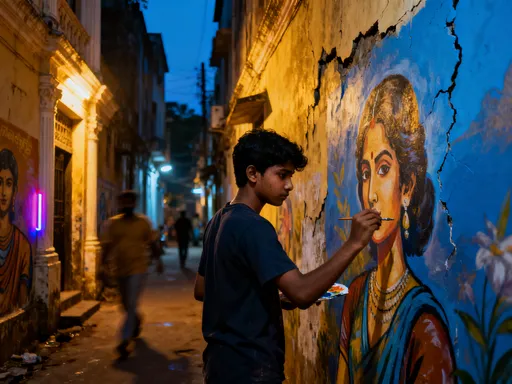
The Ray Street Arts District, at the heart of North Park, is where creativity feels most concentrated. This compact stretch of Ray Street is lined with independent galleries, vintage shops, and bohemian cafes, each contributing to a vibe that’s both relaxed and intellectually curious. Murals here range from whimsical illustrations of sea creatures to bold abstract compositions that play with color and form. One standout piece, a large-scale portrait of a woman with flowers blooming from her hair, has become an unofficial symbol of the district. It was painted by a local artist as part of a city-funded beautification project and now serves as a popular backdrop for photos and community gatherings.
What sets North Park apart is how seamlessly art blends with everyday life. A coffee shop might double as a rotating gallery, with local photographers displaying work on its walls. A taco stand could feature a hand-painted sign that doubles as folk art. Even utility boxes are transformed into miniature masterpieces through the city’s Art Box Program, which invites artists to wrap otherwise dull infrastructure in vibrant designs. These small touches accumulate into a larger experience—one where art isn’t something you go to see, but something you live alongside. For families, couples, and solo explorers alike, North Park offers a refreshing alternative to the polished sterility of commercial districts. It’s a place where creativity feels democratic, where everyone is invited to participate, observe, or simply enjoy.
Barrio Logan: Where Culture Meets Canvas
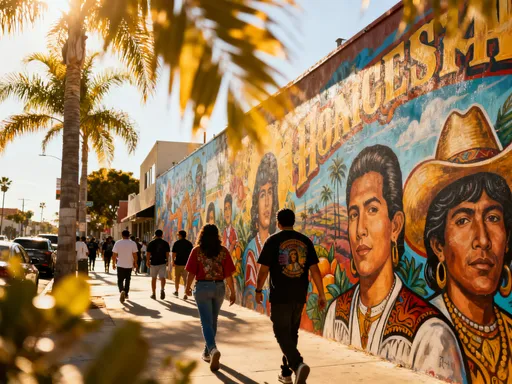
No discussion of San Diego’s public art would be complete without honoring Barrio Logan, a neighborhood where art is not just expression—it’s resistance, remembrance, and resilience. At the heart of this community lies Chicano Park, a national historic landmark and one of the most significant collections of Chicano murals in the United States. Located beneath the dramatic sweep of the Coronado Bridge, this once-neglected space was reclaimed by residents in the 1970s through peaceful protest. Today, its concrete pillars are alive with hundreds of murals that celebrate Mexican-American heritage, depict historical figures like Emiliano Zapata and César Chávez, and illustrate the struggles and triumphs of the Latino community.
The murals here are more than art—they’re a visual archive. Brightly colored scenes portray indigenous roots, immigration journeys, labor movements, and cultural traditions. Symbols like Aztec calendars, monarch butterflies, and sacred hearts recur throughout, creating a cohesive narrative that ties past to present. Every brushstroke feels intentional, every image a declaration of identity. The park hosts two major festivals each year—Chicano Park Day in April and the Dia de los Muertos celebration in November—where music, dance, food, and art come together in a powerful display of cultural pride. These events draw thousands, but even on quiet weekdays, the park hums with a sense of reverence.
What’s remarkable is how the art in Barrio Logan continues to evolve. While the original murals remain preserved, new generations of artists add their voices, addressing contemporary issues like immigration reform, environmental justice, and educational equity. This living quality ensures that the park stays relevant and resonant. For visitors, the experience is both moving and educational. Interpretive signs provide context, helping people understand the deeper meanings behind the imagery. And because the community guards this space so fiercely, there’s an unspoken rule: come with respect. No graffiti, no vandalism, no disrespect. This collective stewardship is a testament to how art can strengthen community bonds and preserve cultural memory across decades.
East Village: Modern Flair in the Heart of Downtown
A short walk from Petco Park, the East Village has undergone a striking transformation, evolving from an industrial corridor into a hub of modern urban art. As part of downtown San Diego’s redevelopment, city planners made a deliberate choice to integrate public art into new construction projects. The result is a district where sleek apartment buildings stand alongside towering murals, and abstract sculptures greet visitors at transit stations. This fusion of contemporary architecture and bold artistic expression gives the East Village a dynamic, forward-thinking character.
One of the most iconic pieces in the area is a massive mural on the side of a mixed-use building near 13th Street. Painted in collaboration with the San Diego Foundation’s arts program, it features a mosaic of faces representing the city’s diverse population—children, elders, workers, and artists, all rendered in vivid, overlapping hues. The artwork was designed to symbolize unity and progress, reflecting the neighborhood’s shift from underutilized space to a thriving residential and cultural zone. Nearby, a series of metal sculptures shaped like abstract figures stand in a small plaza, their reflective surfaces catching the sunlight and changing appearance throughout the day.
The East Village also benefits from its proximity to cultural institutions like the San Diego Central Library and the Children’s Museum, which often partner with local artists on public installations. For example, a recent project involved transforming a pedestrian bridge into a light-based art display, with LED panels that change color based on foot traffic. These interactive elements invite engagement, making art something you don’t just see, but experience. Even the city’s street furniture—benches, bike racks, and signage—has been reimagined with artistic flair, proving that thoughtful design can elevate the everyday.
For residents and visitors alike, the East Village offers a refreshing blend of accessibility and sophistication. You don’t need to buy a ticket or dress up to enjoy the art—it’s there as you walk to the grocery store, wait for the bus, or grab lunch at a sidewalk café. This integration ensures that creativity isn’t confined to elite spaces but is woven into the rhythm of daily life. As the neighborhood continues to grow, the city remains committed to maintaining its artistic integrity, requiring new developments to include public art as part of their approval process. It’s a model of how urban renewal can honor both progress and expression.
La Jolla: Art with an Ocean View
While other neighborhoods embrace street-level spontaneity, La Jolla offers a more refined artistic experience—one shaped by ocean breezes, academic influence, and a long tradition of cultural patronage. Nestled along the coast, this elegant community is home to some of San Diego’s most established galleries and performance spaces. The La Jolla Athenaeum, for instance, is a cornerstone of the local arts scene, hosting concerts, exhibitions, and literary events that draw both residents and visitors. Its intimate setting and high-caliber programming make it a haven for those who appreciate the quieter, more contemplative side of creativity.
Outdoor art in La Jolla often mirrors the natural beauty that surrounds it. Sculpture walks along Prospect Street and in Ellen Browning Scripps Park feature works inspired by the sea—abstract forms that evoke waves, shells, and marine life. These pieces are carefully placed to interact with their environment, so that the light, the sound of the waves, and the movement of passersby all become part of the artwork. One popular installation, a bronze figure gazing out to sea, has become a beloved landmark, often photographed at sunset when the sky melts into gold and purple.
The influence of the University of California, San Diego, cannot be overstated. Located just a few miles away, UCSD’s visual arts department is a powerhouse of innovation, regularly collaborating with local galleries and hosting public exhibitions. Many graduate students and faculty display their work in La Jolla spaces, bringing experimental and conceptual art to a community that values both tradition and exploration. This academic presence ensures that the area’s artistic offerings remain fresh and intellectually stimulating.
Yet, despite its upscale reputation, La Jolla remains welcoming to all. Free gallery nights, open studio events, and public art walks encourage participation without pretension. Families often bring children to interactive exhibits, while older residents enjoy classical music performances under the stars. The blend of natural beauty, intellectual energy, and artistic excellence creates a unique cultural ecosystem—one that proves sophistication and accessibility can coexist.
City Heights & Logan Heights: Hidden Gems of Expression
Just beyond the well-trodden paths of downtown and coastal enclaves, City Heights and Logan Heights reveal another layer of San Diego’s artistic soul. These neighborhoods, rich in cultural diversity and community spirit, may not make the cover of travel brochures, but they are powerhouses of grassroots creativity. Here, art is not a luxury—it’s a tool for empowerment, healing, and connection. Local organizations, often working with limited resources, run youth mural programs, poetry workshops, and cultural festivals that give residents a platform to share their stories.
In City Heights, a corridor along University Avenue has been gradually transformed by community-led art projects. Colorful murals depict scenes of global unity, honoring the neighborhood’s many immigrant communities—Somali, Vietnamese, Cambodian, and Latino. One mural, painted by high school students with guidance from a professional artist, shows hands of different skin tones weaving together like a tapestry, symbolizing solidarity. These projects do more than beautify; they build bridges between generations and cultures, fostering pride in a shared space.
Logan Heights, adjacent to Barrio Logan, shares a deep cultural heritage but has developed its own artistic identity. While it doesn’t have a park as large as Chicano Park, it features intimate alleyway murals, hand-painted signs, and community gardens adorned with sculptures made from recycled materials. Local churches and youth centers often serve as unofficial galleries, displaying artwork created in after-school programs. These spaces may be humble, but the impact is profound. For young people growing up in neighborhoods with limited opportunities, creating art can be a lifeline—a way to express emotion, build confidence, and envision a brighter future.
What unites these districts is their authenticity. There’s no commercial pressure, no need to appeal to tourists. The art here exists because the community wants it, needs it. And because it’s born from real life, it resonates deeply. Visitors who take the time to explore these areas often leave with a new understanding of San Diego—not just as a postcard-perfect city, but as a place of depth, diversity, and resilience.
How to Experience San Diego’s Art Districts Like a Local
To truly appreciate San Diego’s artistic landscape, slow down. Rushing from mural to mural misses the point. Instead, treat each neighborhood as a destination, not a checklist. Start with comfortable walking shoes and a reusable water bottle—many of the best pieces are tucked away in alleys, side streets, or residential areas. Use the city’s public art map, available online, to plan your route, but leave room for spontaneity. Some of the most memorable discoveries happen when you turn a corner and stumble upon a hidden masterpiece.
Time your visits to coincide with community events. The North Park Art Walk, held on the first Thursday of every month, is ideal for meeting artists and enjoying live music. In Barrio Logan, plan a trip around Chicano Park Day in April for an immersive cultural experience. La Jolla’s gallery nights, typically held on the second Friday of the month, offer a more relaxed, sophisticated vibe. And in City Heights, keep an eye out for neighborhood festivals, where art, food, and music come together in joyful celebration.
When viewing murals or installations, take a moment to read any accompanying plaques or signs. Understanding the story behind a piece deepens your appreciation. And always be respectful—avoid touching artwork, don’t block sidewalks, and never deface or photograph people without permission. Remember, many of these spaces are someone’s backyard, workplace, or place of pride.
Pair your art exploration with local flavors. Grab a coffee in North Park, enjoy a taco in Barrio Logan, or sip tea in a La Jolla garden. Use public transit or bike rentals to reduce your footprint and see more of the city. Most importantly, talk to people. Strike up a conversation with a gallery owner, compliment a street artist, or ask a neighbor about their favorite mural. These small interactions often lead to the richest experiences.
Conclusion
San Diego’s neighborhoods prove that a city’s true beauty isn’t just in its skyline or coastline, but in the stories painted on its walls and whispered through its streets. From the powerful murals of Barrio Logan to the quiet elegance of La Jolla’s sculptures, each district offers a unique chapter in a larger narrative of creativity, resilience, and community. This is not a city that hides its art behind glass or ropes—it wears it proudly, openly, vibrantly. To walk through San Diego is to walk through a living gallery, where every corner holds a brushstroke of identity, a splash of memory, a moment of connection. So step off the beaten path. Look up, look closely, and let the colors guide you. Because in San Diego, the art isn’t just something you see—it’s something you feel.