You Won’t Believe These Hidden Viewpoints in Zakynthos
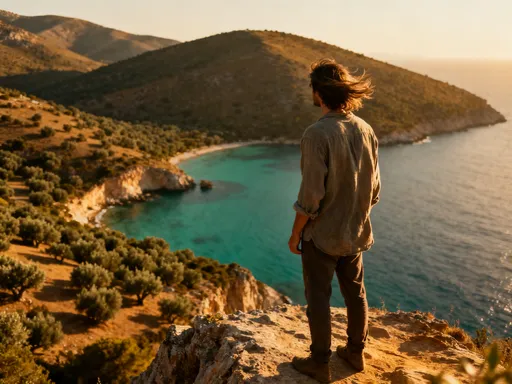
So, you think you’ve seen the best of Greece? Hold up—Zakynthos isn’t just about Shipwreck Beach and party crowds. I went off-grid, chasing sunsets and quiet trails, and stumbled upon viewpoints that barely show up on maps. We’re talking panoramic cliffs, olive-draped hills, and coastal lookouts where the Aegean melts into the sky. This is real discovery—the kind that makes your breath stop and your camera work overtime. Beyond the postcard-perfect bays and bustling resorts lies a quieter, wilder Zakynthos, one that rewards curiosity with sweeping vistas and soul-stirring moments. For travelers seeking more than the usual itinerary, these hidden vantage points offer a deeper connection to the island’s rugged beauty.
The Myth and the Reality of Zakynthos
Zakynthos, often referred to as Zante, is frequently reduced to a single image: the dazzling white sands of Navagio Beach, cradled by towering limestone cliffs and accessible only by boat. This iconic cove dominates travel brochures, Instagram feeds, and bucket lists worldwide. While Navagio is undeniably breathtaking, its overwhelming fame has overshadowed the island’s broader landscape. The reality is that Zakynthos is far more diverse than its most photographed corner suggests. Stretching across 408 square kilometers in the Ionian Sea, the island blends dramatic western cliffs, rolling central hills, fertile southern plains, and secluded eastern coves. Each region offers distinct topography and perspective, yet most visitors never venture beyond the well-trodden coastal zones.
The myth of Zakynthos as a one-beach wonderland stems from mass tourism patterns and limited exposure. Cruise ships dock, day-trippers flood the beach, and tour buses shuttle crowds from one hotspot to the next. In this cycle, the island’s quieter rhythms are often missed. What remains underexplored are the elevated trails, abandoned chapels with sea views, and ridge paths where the only sounds are the wind and distant waves. These places aren’t hidden because they’re inaccessible—they’re overlooked because they’re not marketed. The shift from myth to reality begins when travelers step off the standard route and embrace the idea that beauty isn’t always loud or crowded.
True discovery on Zakynthos comes not from checking off landmarks, but from slowing down and observing. It’s in the way sunlight filters through olive groves on a hillside path, or how the sea changes color as clouds drift overhead. The island rewards those who wander with patience and openness. Locals often speak of places passed down through generations—family picnic spots, shepherd trails, or quiet corners where elders once watched the horizon. These are not points on a digital map, but lived experiences. By seeking them, visitors move beyond passive sightseeing and into a more personal, meaningful engagement with the land.
Why Viewpoints Matter in Travel
A viewpoint is more than a scenic backdrop for photographs—it’s a moment of pause in the rhythm of travel. When you stand at an elevated vantage point, something subtle but profound shifts. Your sense of scale recalibrates. The world spreads out below, and for a brief moment, you are no longer immersed in it—you are observing it. This shift in perspective activates a deeper awareness, one that combines visual beauty with emotional resonance. Psychologists have long noted that panoramic views trigger a sense of awe, a cognitive response linked to well-being, humility, and expanded thinking. On Zakynthos, where the sea meets the sky in endless gradients of blue, this feeling is amplified.
From a neurological standpoint, awe-inducing landscapes stimulate the brain’s default mode network, the same system involved in introspection, memory, and self-reflection. This explains why travelers often recall viewpoints more vividly than other experiences. The mind lingers on the stillness, the vastness, the quiet majesty of nature. Unlike the fleeting excitement of a crowded beach or a bustling market, a great viewpoint offers a meditative quality. It invites silence, contemplation, and presence. Standing on a cliff overlooking the Ionian Sea, you’re not just seeing the view—you’re feeling it in your chest, hearing it in the wind, and carrying it with you long after you leave.
There’s also a storytelling dimension to viewpoints. Every great journey has its high points—literally and figuratively. These moments become anchors in our personal narratives. They mark transitions, realizations, or turning points. A sunrise seen from a remote bluff, a storm rolling in from the west, the first glimpse of an island from above—these are the scenes that shape travel memories. They’re not just about what we see, but what we feel in the moment. On Zakynthos, where nature remains largely unspoiled, these experiences are especially potent. The island’s elevation changes offer natural stages for such moments, turning simple hikes into meaningful encounters with place.
Zakynthos by Geography: Mapping the High Ground
To appreciate Zakynthos’s best viewpoints, it helps to understand the island’s physical structure. Geologically, Zakynthos is part of a tectonically active zone, shaped by the collision of the African and Eurasian plates. This movement has created a mountainous spine that runs from north to south, particularly pronounced in the western half. The highest point, Mount Vrachionas, rises to 758 meters and forms the backbone of the island’s most dramatic landscapes. From this ridge, the land slopes down in terraced layers—first forested slopes, then olive groves, then coastal cliffs that drop sharply into the sea.
The western coast is defined by steep limestone formations, eroded over millennia into arches, caves, and sheer drop-offs. These cliffs create some of the most striking viewpoints, where the elevation provides uninterrupted sightlines across the Ionian. In contrast, the eastern side is gentler, with low hills and sandy inlets. The southern region, centered around Keri, is volcanic in origin, resulting in rugged rock formations and elevated plateaus that offer layered views of the sea and surrounding islets. The northern tip, Cape Skinari, is a narrow peninsula with rolling hills and coastal bluffs that face both west and north, making it ideal for both sunsets and sea watching.
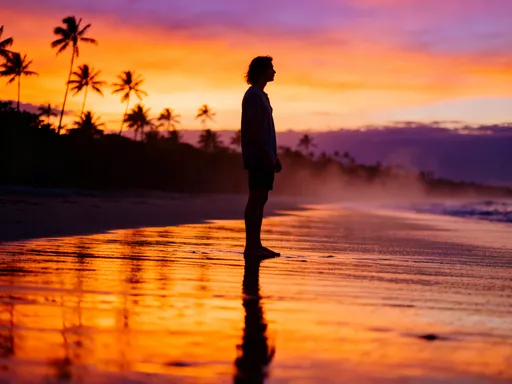
Understanding these zones helps travelers plan with intention. For example, west-facing viewpoints naturally excel at sunset, when the sun dips below the horizon in a blaze of orange and purple. East-facing elevations, like those near the Vassilikos Peninsula, are better suited for sunrise, when morning light bathes the coastline in soft gold. The central ridges, such as the Ageranos Ridge, offer 360-degree panoramas, allowing you to see both coasts in a single glance. By aligning your route with the island’s geography, you increase your chances of finding solitude and optimal lighting. No advanced map skills are needed—just a basic sense of direction and a willingness to explore beyond the shore.
The Underrated West Coast Lookouts
While Navagio Beach draws thousands daily, the surrounding western cliffs are dotted with lesser-known vantage points that offer equally stunning views—without the crowds. One such spot is the Xigia viewpoint, perched above a tranquil cove known for its sulfur-rich waters. From this elevation, you look down on a crescent of turquoise framed by pine-covered slopes and rocky outcrops. The contrast between deep blue and shallow green creates a natural mosaic, especially vivid in the late afternoon. Unlike the main Navagio lookout, which is often packed by mid-morning, Xigia remains quiet, frequented mostly by locals and hikers.
Access is straightforward with a rental car. A narrow but well-maintained road leads from the village of Volimes to a small parking area near the top. From there, a short, well-marked trail descends slightly to the best viewing spot. The path is safe for most travelers, though sturdy footwear is recommended due to loose gravel. What makes Xigia special is not just the view, but the atmosphere—a sense of stillness broken only by the rustle of pine needles and the distant lap of waves. It’s an ideal place for a quiet picnic or a moment of reflection.
Another remarkable location is the ridge near Agios Dionysios Monastery, dedicated to the island’s patron saint. Perched on a hilltop above the town of Tsilivi, this site combines spiritual significance with visual grandeur. The monastery itself is a peaceful retreat, but the real treasure is the surrounding terrace, which offers a sweeping view of the western coastline. On clear days, you can see as far as Marathonissi Island and the distant silhouette of Kefalonia across the water. The path leading up is paved and accessible, making it suitable for families and older visitors. Many come for prayer or tradition, but stay for the view—a reminder that elevation can elevate more than just sightlines.
Southern Serenity: Keri and the Hidden Cliffs
The southern tip of Zakynthos is a world apart from the island’s tourist hubs. Here, the landscape is shaped by ancient volcanic activity, resulting in rugged cliffs, sea stacks, and terraced farmland that cling to steep slopes. The village of Keri, nestled on a hilltop, serves as a gateway to some of the most authentic and serene viewpoints. From its central square, panoramic vistas unfold in every direction—west to the open sea, south to the uninhabited islets, and east to the patchwork of olive groves and vineyards below.
One of the most underrated hikes begins at the edge of Keri Village and leads toward the Keri Caves. The trail starts with a gentle descent, but just before the steepest part, there’s a natural overlook that few pause to appreciate. From this vantage, you see the coastline curve dramatically, with waves crashing against black volcanic rock. The contrast between the dark stone and the bright sea creates a dynamic, ever-changing scene. Further down, the path leads to sea caves accessible at low tide, but the real reward is the journey itself—the chance to walk through wild thyme-scented hills and spot kestrels circling overhead.
Another hidden gem is the small chapel of Agioi Pantes, perched on a promontory with 270-degree views. Reaching it requires a short walk from a dirt road, but the solitude is worth it. At sunset, the limestone cliffs glow in warm amber, and the sea takes on a glassy sheen. Local families often visit for quiet moments, lighting candles or leaving small tokens. These chapels, scattered across the southern hills, are more than religious sites—they’re natural observation points, built by those who knew the land intimately. For travelers seeking peace with a view, this region offers some of the most rewarding experiences on the island.
Sunrise vs. Sunset: Timing Your Viewpoint Visits
On Zakynthos, the quality of light can transform a good view into an unforgettable one. While sunset is traditionally celebrated—especially on the west coast—sunrise offers its own magic, particularly on the eastern and southern shores. The key is understanding how the sun’s position interacts with the island’s topography. West-facing cliffs, like those around Navagio and Xigia, are bathed in golden light during the final hour of daylight. This is when the sea sparkles, shadows stretch long, and the sky erupts in color. However, these spots are also the most crowded, with tour groups arriving en masse for the evening show.
In contrast, east-facing bluffs, such as those along the Vassilikos Peninsula, come alive at dawn. With the sun rising over the mainland, the coastline is gently illuminated, revealing textures and contours that midday light flattens. The air is cooler, the breeze softer, and the silence more profound. Fewer travelers make the early effort, so sunrise seekers often have the view to themselves. Additionally, morning skies tend to be clearer, as afternoon haze can obscure distant islands and soften contrasts.
Timing also affects crowd levels and comfort. Midday visits, especially in summer, bring intense heat and glare, making photography difficult and walking unpleasant. Early morning or late afternoon visits align better with natural rhythms, allowing for slower exploration and better photo conditions. Practical tools like weather apps can help plan around cloud cover and wind. For example, a clear forecast with light winds ensures calm seas, enhancing reflections and underwater visibility. Pairing viewpoint visits with meal times—such as a post-sunset dinner in a seaside taverna—adds to the experience, turning a simple stop into a full sensory journey.
How to Explore Responsibly and Stay Safe
As more travelers seek out Zakynthos’s hidden viewpoints, the importance of responsible exploration grows. These landscapes are fragile, shaped by centuries of natural processes and maintained by local communities. Staying on marked trails prevents soil erosion and protects native plants like thyme, sage, and wild orchids. Littering, even of biodegradable items like fruit peels, disrupts ecosystems and detracts from the natural beauty. Carrying out all waste, including food scraps, is a small but vital act of respect.
Private land is common in rural areas, and some trails pass near family-owned farms or vineyards. Always look for signage and avoid trespassing. Many locals welcome respectful visitors and may even offer directions or stories about the land. Building positive interactions fosters goodwill and supports sustainable tourism. Additionally, Zakynthos is home to protected species, including the endangered loggerhead sea turtle (Caretta caretta), which nests on certain beaches. While viewpoints may not be nesting zones, general awareness of conservation efforts helps preserve the island’s ecological balance.
Safety is equally important. Some trails have steep drop-offs, loose gravel, or exposed edges. Wearing closed-toe shoes with good grip is essential, especially after rain. Carrying water, sunscreen, and a basic first-aid kit ensures preparedness. Mobile signal can be weak in remote areas, so informing someone of your route is wise. Parents should supervise children closely near cliffs. Finally, avoid hiking during the hottest part of the day, and never underestimate the power of the sun or sea winds. By prioritizing safety and responsibility, travelers can enjoy Zakynthos’s beauty without compromising their well-being or the island’s future.
Beyond the Postcard
Zakynthos reveals itself slowly. The most unforgettable moments aren’t found in crowds, but in quiet elevation—where the wind speaks louder than people and the sea stretches beyond imagination. These hidden viewpoints aren’t just places; they’re invitations to pause, reflect, and truly see. They remind us that travel is not about collecting destinations, but about changing perspective. Each ridge, each cliffside, each sunlit terrace offers a new way of understanding the island—and ourselves. The real journey isn’t about ticking off spots. It’s about being present, one breathtaking outlook at a time. In a world that often moves too fast, Zakynthos’s quiet heights offer something rare: space to breathe, to wonder, and to remember why we travel at all.