What Nobody Tells You About Madrid’s Public Spaces
Madrid’s public spaces are more than just pretty plazas and park benches—they shape your entire experience in the city. I learned this the hard way, showing up unprepared and ending up stuck in crowded tourist traps or empty, awkward corners no guidebook mentions. From mismatched seating to hidden rules of local etiquette, small details can make or break your day. This is a real look at what goes wrong—and how to get it right.
First Impressions: When Plazas Feel Off
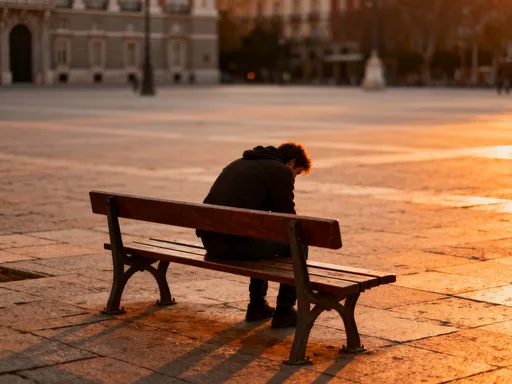
Many travelers arrive in Madrid expecting to be enchanted by grand public squares that pulse with life and charm. Instead, they often find themselves standing in vast, echoing plazas that feel strangely empty or overwhelming. Places like Plaza de España and Plaza de Cibeles are architecturally impressive, with sweeping vistas and monumental statuary, but their scale can be intimidating. Unlike the cozy, intimate squares of smaller European cities, these spaces were designed for processions and political gatherings, not for casual strolling or quiet reflection. Without sufficient shade, seating, or spontaneous human activity, they can feel more like transit hubs than destinations for leisure.
The disconnect lies in the mismatch between tourist expectations and local habits. Visitors often assume that every open space in a city is meant for lounging, picnicking, or people-watching. In Madrid, however, many plazas serve functional purposes—commuters pass through them on their way to work, delivery trucks unload nearby, and tour groups gather before moving on. The energy is transient rather than settled. This doesn’t mean these spaces lack value, but it does mean that choosing where and when to engage with them requires awareness. For instance, Plaza de Cibeles comes alive during festivals or football celebrations, when locals flood the area in waves of red and white. At other times, it may feel more like a backdrop than a living environment.
To truly understand a plaza’s rhythm, it’s essential to observe before participating. Locals tend to gravitate toward micro-zones within larger spaces—shaded corners, benches near fountains, or areas close to cafés with outdoor service. These clusters form organically, shaped by comfort, visibility, and social cues. A useful strategy is to spend ten minutes simply watching: Where do people stop? Who sits alone, and who gathers in groups? Are children playing, or are the spaces dominated by foot traffic? By aligning your movements with these patterns, you’re more likely to find comfort and connection in what might otherwise feel alienating.
Moreover, timing plays a crucial role. The same plaza that feels barren at noon may transform in the late afternoon, as workers take breaks and families begin their evening paseo, or leisurely stroll. The golden hour in Madrid is not just visually stunning—it’s socially activating. Shadows lengthen, temperatures cool, and the city’s public spaces begin to hum with conversation and movement. Understanding this daily ebb and flow allows visitors to plan their visits more thoughtfully, turning potentially underwhelming experiences into moments of authentic urban immersion.
The Bench Problem: Not All Seats Are Created Equal
One of the most overlooked aspects of public space usability is seating—and in Madrid, the availability and quality of benches can vary dramatically from one location to the next. While some parks and plazas offer ample, well-placed places to rest, others seem designed for standing only. In high-traffic areas like Gran Vía or Puerta del Sol, seating is often minimal or reserved for café terraces, forcing pedestrians to lean against walls or sit on steps. Even in beloved green spaces like El Retiro Park, the distribution of benches doesn’t always match visitor needs. The most desirable spots—those overlooking the lake or beneath mature plane trees—are frequently occupied, while quieter areas near the rose garden or the Crystal Palace remain underused, not due to lack of beauty, but because of poor signage and inconvenient access.
Design choices also influence comfort. Some benches face blank walls, limiting visibility and social engagement. Others lack back support or are made of metal that becomes scorching in summer or icy in winter. Spacing is another issue: benches placed too far apart discourage group use, while those crammed too closely together eliminate personal space. These subtle factors shape how people interact with public environments. A well-designed bench invites lingering; a poorly designed one signals that you should keep moving.
Tourists, especially those unaccustomed to long urban walks, may not anticipate how quickly fatigue sets in. Madrid is a walking city, and without reliable places to rest, even a short itinerary can become exhausting. The absence of accessible seating disproportionately affects older adults, parents with young children, and travelers with mobility concerns. Yet solutions exist. Carrying a lightweight, foldable stool or cushion can make a significant difference, allowing you to create your own resting spot in shaded areas or grassy patches where sitting is permitted.
Another effective approach is timing your visits. Early mornings and late afternoons typically offer better access to seating, as midday sees peak usage from both tourists and locals on lunch breaks. Exploring lesser-known plazas—such as Plaza de la Paja in La Latina or Plaza de las Comendadoras near Malasaña—can also yield more comfortable and peaceful resting opportunities. These smaller squares often feature thoughtful layouts, with benches arranged in conversational clusters and mature trees providing natural shade. By prioritizing human comfort over monumental aesthetics, they exemplify how public space can serve both beauty and function.
Green Spaces That Aren’t as Green as They Look
Madrid boasts an impressive network of urban parks, from the sprawling Casa de Campo to the centrally located Parque del Retiro. On maps and tourist brochures, these areas appear as lush oases, promising tranquility and natural beauty. The reality, however, can be more complex. Seasonal climate conditions—particularly the long, dry summers—mean that grass often turns brown, irrigation systems may be limited, and certain features like fountains or waterfalls operate only intermittently. What looks like a verdant retreat from afar can, upon arrival, reveal patchy lawns, dusty paths, and sparse tree cover in some sections.
Parque del Oeste, situated on the western edge of the city, offers panoramic views of the Royal Palace and the Manzanares River, but its maintenance levels fluctuate. Restroom facilities are limited, signage is sparse, and pathways can be confusing for first-time visitors. While it hosts the stunning Rosaleda garden and connects to the Temple of Debod—an ancient Egyptian monument donated to Spain—many of its quieter zones go unnoticed, not because they lack charm, but because they lack clear access points or wayfinding cues. Similarly, Casa de Campo, though vast and rich in biodiversity, functions more like a regional park than a neighborhood green space. It requires planning to reach, and amenities such as cafés, maps, or seating are spread far apart.
Another important consideration is the intended use of each green area. Not all parks are designed for the same activities. Some, like Parque Juan Carlos I in the northeast, feature wide promenades and modern sculptures, catering to joggers and cyclists. Others, such as the Sabatini Gardens behind the Royal Palace, are more formal and restrictive, discouraging casual lounging or picnics. Understanding these distinctions helps set realistic expectations. A family hoping for a shaded picnic spot may be disappointed in a park optimized for fitness trails, just as a runner might find El Retiro too crowded on weekends.
To make the most of Madrid’s green spaces, it’s wise to research ahead of time. Checking the city’s official parks website can reveal information about seasonal events, closures for maintenance, or special programming like outdoor concerts and art installations. Early morning visits often provide the best conditions—cooler temperatures, dew-kissed grass, and fewer crowds. Bringing your own water, sunscreen, and a portable shade solution like a wide-brimmed hat or umbrella can also enhance comfort. Ultimately, appreciating Madrid’s parks means embracing them as dynamic, evolving spaces shaped by climate, management, and community use—not static postcard images.
Overcrowding vs. Dead Zones: The Balance That Breaks Public Life
One of the most striking contradictions in Madrid’s urban landscape is the coexistence of extreme overcrowding and near-deserted zones, sometimes just blocks apart. Areas like Puerta del Sol and Gran Vía are perpetually packed, with narrow sidewalks struggling to accommodate waves of tourists, commuters, and street performers. The density can feel exhilarating at first, but over time it leads to congestion, noise pollution, and diminished comfort. Meanwhile, only a few streets away, entire neighborhoods can feel eerily quiet, especially in the late afternoon or after dark. This imbalance disrupts the natural flow of city life and affects both safety perceptions and social vibrancy.
The causes are multifaceted. Over-tourism concentrates visitors in a handful of iconic locations, overwhelming infrastructure not designed for such volume. At the same time, urban planning decisions—such as prioritizing car access over pedestrian zones or limiting mixed-use development—can starve certain areas of foot traffic. When shops, cafés, and residences are not interwoven, streets lose their rhythm. They become corridors rather than destinations, active only during business hours and falling silent once offices close.
This uneven distribution has real consequences. Crowded areas become stressful rather than enjoyable, with long lines, limited seating, and aggressive vendors. Conversely, underused spaces can feel unsafe, not because crime rates are high, but because the absence of people reduces natural surveillance. The ideal public space thrives on balance—enough activity to feel lively, but not so much that it overwhelms. Madrid achieves this equilibrium best in its traditional barrios, or neighborhoods, where daily life unfolds at a human pace.
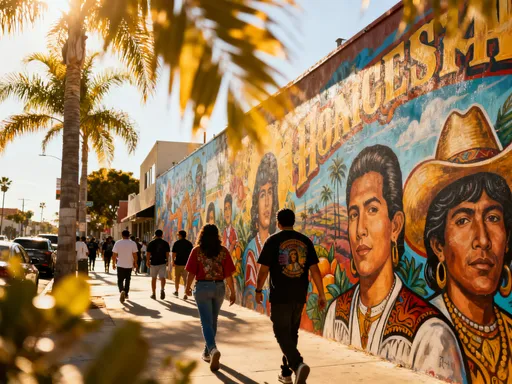
Areas like Lavapiés, Malasaña, and La Latina offer more harmonious street life. These districts blend residential, commercial, and cultural uses, ensuring a steady presence of people throughout the day. Narrow streets are lined with independent shops, family-run tapas bars, and small plazas where neighbors gather. The energy is authentic, not performative. For travelers seeking a deeper connection to the city, shifting focus from monument-heavy centers to these neighborhood hubs can be transformative. Exploring side streets, stopping at local markets, and observing daily routines provide insight into how Madrileños truly live—and how public space supports that life.
Street Life vs. Street Rules: Unwritten Codes Tourists Miss
Beyond physical design, Madrid’s public spaces are governed by a set of unwritten social norms that guide behavior in ways rarely explained to visitors. These rules aren’t always posted, and when they are, signs are typically in Spanish only, leaving non-speakers guessing. For example, in El Retiro Park, lying on the grass is generally discouraged, especially near formal gardens or monuments. While children may play freely in designated areas, adults stretching out on blankets might draw disapproving glances. Similarly, eating or drinking in certain plazas—particularly those adjacent to government buildings or religious sites—may be frowned upon, even if not officially prohibited.
Local etiquette also dictates where and how to sit. In some areas, occupying a café’s terrace seating without ordering is considered impolite. In others, sitting on steps or low walls is tolerated in low-traffic times but discouraged during peak hours. These nuances aren’t about strict enforcement but about mutual respect—understanding that public space is shared and that comfort depends on collective consideration. Tourists who appear unaware of these codes may unintentionally seem inconsiderate, even if their actions are harmless.
The best way to navigate these subtleties is through observation. Notice how locals behave: Do they stand while drinking a coffee at a bar? Do they carry shopping bags while sitting on benches? Are they keeping voices low near residential buildings? Mimicking these behaviors helps you blend in and avoid awkward moments. It also fosters a sense of belonging, transforming you from an outsider into a respectful participant in the city’s daily rhythm.
Additionally, understanding the concept of horarios—the traditional Spanish schedule—can clarify many spatial behaviors. Lunch typically runs from 2:00 to 4:00 p.m., and dinner often starts after 9:00 p.m., meaning public spaces shift in character throughout the day. A quiet plaza at 3:00 p.m. may become a social hub by 8:00 p.m. Recognizing these patterns allows you to align your visits with local life, enhancing both comfort and cultural connection.
The Café Conundrum: When Terraces Take Over Public Space
Outdoor café terraces are one of Madrid’s greatest urban pleasures, offering a front-row seat to street life and a chance to savor coffee, tapas, or wine in the open air. Yet their popularity has led to a growing tension: the expansion of commercial seating into public sidewalks. In neighborhoods like Chueca, Sol, and Huertas, narrow streets are often reduced to single-file passageways, with tables spilling onto what would normally be pedestrian space. While these terraces contribute to the city’s vibrant atmosphere, they can also create bottlenecks, especially during peak hours, making navigation difficult for strollers, wheelchairs, or those with mobility challenges.
This phenomenon reflects a broader urban dilemma—how to balance economic vitality with public accessibility. Café terraces support local businesses and extend social life into the streets, but when they dominate too much space, they risk privatizing what should remain communal. Some residents express concern that the character of certain streets is shifting from shared public realms to commercialized zones where only customers are welcome. The presence of staff directing foot traffic or asking pedestrians not to walk between tables can subtly reinforce this exclusion.
The city has attempted to regulate terrace sizes and placements, but enforcement varies, and demand remains high. For visitors, the key is to be mindful of this dynamic. Choosing to dine earlier or later in the day can reduce congestion and improve the experience for everyone. Venturing into side streets or residential areas often reveals smaller, independent vendors with terraces that don’t overwhelm the sidewalk. These spots may lack the buzz of central hotspots, but they offer a more relaxed pace and a chance to interact with neighborhood regulars.
Supporting businesses that respect public space—those with compact, well-organized terraces and clear walkways—also sends a positive message. And when sidewalks feel too narrow, it’s perfectly acceptable to pause, let others pass, or take an alternate route. Small acts of courtesy contribute to a more inclusive urban environment, ensuring that Madrid’s streets remain welcoming to all.
Rethinking Public Space: How to Experience Madrid Like a Local
The true measure of a great public space is not its beauty alone, but its usability, accessibility, and alignment with daily life. Madrid offers countless lessons in this regard—lessons that go beyond guidebook highlights and postcard views. The city’s soul resides not in its monuments, but in the quiet plazas where neighbors chat, the shaded benches where grandparents watch children play, and the side streets where life unfolds at a human pace. To experience Madrid fully, travelers must shift their focus from iconic checklists to the rhythms of ordinary existence.
This means embracing timing, observation, and adaptability. Arriving early to beat the crowds, noticing where locals gather, and respecting unspoken rules all contribute to a richer, more respectful visit. It means seeking out under-the-radar spots—like Plaza de la Paja, with its medieval charm, or the quieter corners of El Retiro, where the sound of birds drowns out city noise. These spaces may not dominate travel blogs, but they offer moments of genuine connection and peace.
It also means recognizing that public space is a shared responsibility. Every person who litters, blocks a sidewalk, or ignores social cues affects the experience of others. Conversely, every act of mindfulness—stepping aside to let someone pass, choosing a less crowded café, or simply sitting quietly to observe—helps preserve the delicate balance that makes urban life possible.
Madrid’s public spaces are not perfect. They face challenges of overcrowding, uneven maintenance, and evolving social dynamics. But within these imperfections lies authenticity. By engaging with them thoughtfully, visitors don’t just see the city—they become part of it, if only for a moment. And in that participation, they discover what no photograph can capture: the living, breathing heart of Madrid.