You Won’t Believe Antwerp’s Skyline Until You See It for Yourself
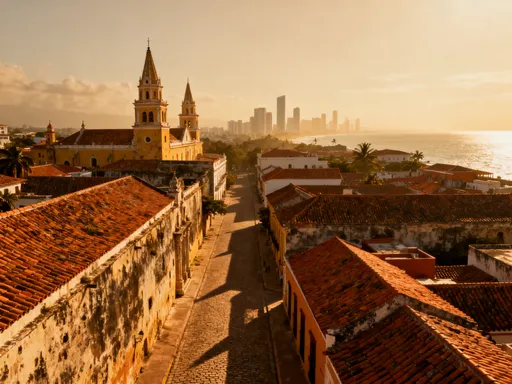
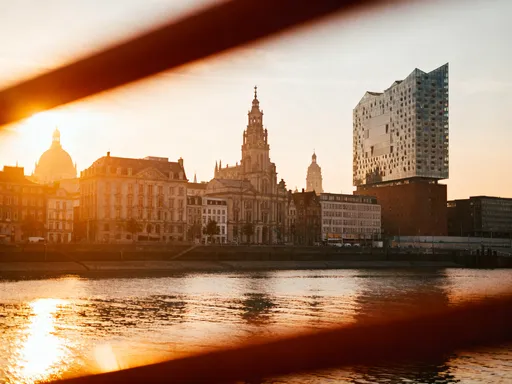
Antwerp isn’t just diamonds and fashion—it’s a cityscape that hits you like a breath of fresh air. Walking along the Scheldt River at golden hour, I saw sunlight dance on Gothic spires and modern rooftops alike. This is a place where old-world charm meets bold urban energy. If you think Belgium is only about beer and chocolates, think again. Antwerp’s skyline tells a deeper story—one of reinvention, artistry, and unexpected beauty hiding in plain sight.
First Impressions: A City That Defies Expectations
Arriving in Antwerp by train, travelers are greeted not with the hushed elegance of a museum city, but with a vibrant pulse that hums through its streets and waterways. The Central Station, often called the 'Railway Cathedral,' sets the tone with its ornate stone façade and iron-glass canopy—a fusion of 19th-century craftsmanship and modern utility. As you step onto the platform, the city unfolds in layers: cobblestone alleys, bustling boulevards, and the wide, reflective surface of the Scheldt River guiding your gaze toward the horizon. Unlike the uniform grandeur of Paris or the medieval density of Prague, Antwerp feels like a city that has evolved without losing its soul.
The skyline reveals this evolution immediately. Here, 16th-century gables stand shoulder to shoulder with sleek glass towers, and the past doesn’t merely coexist with the present—it converses with it. The Scheldt River, which has served as Antwerp’s lifeline for centuries, frames this dialogue perfectly. Its broad banks offer uninterrupted sightlines, allowing the eye to travel from ancient church steeples to the angular lines of contemporary port architecture. This visual rhythm, shaped by centuries of trade, craftsmanship, and cultural exchange, gives Antwerp a skyline that is both grounded and forward-looking.
What truly sets Antwerp apart from other European capitals is its refusal to conform. While cities like Amsterdam or Vienna preserve their historic cores behind protective facades, Antwerp embraces change as part of its identity. The city does not hide its modern additions; instead, it integrates them with confidence. This balance of preservation and progress creates a skyline that feels alive—constantly shifting, yet always coherent. For the observant traveler, Antwerp offers more than scenic views; it offers a lesson in how cities can grow without losing their character.
The Crown Jewel: Onze-Lieve-Vrouwekathedraal (Cathedral of Our Lady)
Rising 123 meters above the city, the Onze-Lieve-Vrouwekathedraal dominates Antwerp’s skyline like a sentinel of time. Its single, soaring spire—completed in the early 16th century after nearly a century of construction—remains the tallest church tower in the Low Countries. Built in the Brabantine Gothic style, the cathedral is a masterpiece of vertical ambition, its stone tracery and flying buttresses reaching skyward with both grace and strength. From nearly any vantage point in the city center, the cathedral’s silhouette is unmistakable, anchoring the skyline with a sense of continuity and reverence.
Historically, the cathedral was more than a place of worship; it was a symbol of Antwerp’s wealth and artistic patronage during the Renaissance. It housed works by Rubens, whose dramatic altarpieces still draw visitors today, and served as a spiritual and cultural center during the city’s golden age. The spire itself, constructed from local sandstone and later reinforced with more durable materials, survived fires, wars, and weathering—a testament to both engineering and devotion. Its presence in the skyline is not just architectural; it is historical, emotional, and deeply symbolic.
For those seeking the best views of the cathedral, several locations offer exceptional perspectives. Groenplaats, a leafy square just north of the cathedral, provides a frontal view that captures its full grandeur. At Vrijdagmarkt, the historic market square to the west, the cathedral appears framed by ornate guild houses, creating a postcard-perfect composition. But one of the most striking vantage points is from the MAS (Museum aan de Stroom) on the opposite bank of the Scheldt. From its upper floors, the cathedral stands in contrast to the modern port, its Gothic lines softened by distance and light.
At night, the cathedral undergoes a transformation. Illuminated with carefully placed floodlights, its façade glows with a warm, golden hue that makes it visible from miles away. This nighttime radiance changes the city’s atmosphere, turning the skyline into a luminous tapestry. The lighting design respects the building’s details, highlighting arches and sculptures without overwhelming them. For locals and visitors alike, the sight of the cathedral at dusk is a daily reminder of Antwerp’s enduring beauty—a beacon in both the physical and cultural landscape.
Modern Icons: Where Steel, Glass, and Vision Meet
If the Cathedral of Our Lady represents Antwerp’s past, the Port House is its bold declaration of the future. Designed by the late architect Zaha Hadid and completed in 2016, this striking structure serves as the headquarters for the Antwerp Port Authority. Perched atop a renovated historic fire station, the Port House appears to float above the old building like a futuristic vessel. Its sweeping curves, made of glass and steel, reflect the movement of the river and the sky, creating a dynamic visual effect that changes with the weather and time of day. This architectural marvel is not just a symbol of innovation—it is a functional space that welcomes visitors and showcases the city’s commitment to sustainable urban design.
The harbor area, where the Port House is located, has undergone a dramatic transformation in recent decades. Once dominated by industrial docks and warehouses, it is now a mixed-use district that blends working port facilities with public spaces, cultural venues, and modern architecture. This evolution reflects Antwerp’s ability to honor its industrial heritage while embracing new possibilities. The juxtaposition of old and new is intentional: the preserved fire station beneath the Port House serves as a reminder of the site’s history, while the glass superstructure speaks to the city’s forward momentum.
Visitors can access parts of the Port House through guided tours, which offer insights into both the building’s design and the operations of one of Europe’s largest ports. The experience is not limited to architecture enthusiasts; families, students, and casual tourists find value in learning how a major port functions and how design can support efficiency and sustainability. The rooftop terrace, accessible during tours, provides panoramic views of the harbor and the city beyond—an experience that connects the built environment with the natural flow of the Scheldt.
What makes Antwerp’s modern architecture so effective is its sensitivity to context. Unlike cities where new developments clash with historic surroundings, Antwerp ensures that contemporary buildings complement rather than compete. The Port House, for example, does not overshadow the cathedral or the city center; instead, it occupies its own space in the skyline, contributing to a layered and diverse urban profile. This thoughtful integration shows that progress does not require erasure—that innovation can coexist with tradition when guided by vision and respect.
Elevated Perspectives: The Best Spots to See the Skyline
To truly appreciate Antwerp’s skyline, one must see it from above. The MAS (Museum aan de Stroom) offers one of the most comprehensive views in the city. This striking red sandstone building, shaped like a stacked tower, rises from the edge of the harbor and culminates in a public rooftop terrace. From this vantage point, the entire city unfolds: the winding Scheldt, the clustered spires of the old town, the geometric patterns of modern port facilities, and the distant haze of the Belgian countryside. The MAS rooftop is not just a viewpoint—it is an experience, designed to inspire reflection on the relationship between nature, history, and urban life.
Another underrated location for skyline photography is the upper terrace of Antwerp Central Station. While most travelers pass through the grand hall below, few climb the side staircases to the elevated walkways that wrap around the building. From here, the city spreads out in all directions, with the cathedral spire perfectly aligned with the station’s dome in a symmetrical composition. The contrast between the 19th-century railway architecture and the modern skyline beyond creates a compelling visual narrative. Early morning light enhances this scene, casting long shadows and soft highlights across the stone and glass.
For a more immersive experience, boating the Scheldt offers a unique perspective. River cruises, available in various lengths and styles, allow passengers to glide past the city’s most iconic structures. As the boat moves downstream, the skyline shifts continuously—first the historic center, then the modern port, then the quiet residential neighborhoods. The water’s surface mirrors the buildings, doubling the visual impact and creating a dreamlike effect, especially at sunset. These cruises are popular with families and older visitors, offering a relaxed way to absorb the city’s essence without walking long distances.
Beyond the well-known spots, Antwerp hides several lesser-known viewpoints in its residential neighborhoods. In the Eilandje district, small parks and quiet streets offer intimate glimpses of the skyline framed by trees and historic facades. Near Park Spoor Noord, a revitalized green space north of the station, elevated pathways provide panoramic views that are often free of crowds. These hidden gems reward the curious traveler, proving that Antwerp’s beauty is not confined to postcard angles—it reveals itself to those willing to explore beyond the center.
Urban Rhythm: How Daily Life Shapes the Cityscape
The skyline is not just a collection of buildings—it is shaped by the people who live, work, and move through the city every day. Antwerp’s street-level dynamics contribute significantly to its visual character. Cycling lanes weave through every district, with thousands of residents commuting by bike each morning. Tram lines trace geometric patterns across the city, their overhead wires adding a subtle layer to the urban fabric. Public plazas like Grote Markt and Meir become stages for daily life—children playing, musicians performing, and neighbors meeting for coffee. These elements do not distract from the skyline; they animate it, giving it rhythm and warmth.
Green spaces are thoughtfully integrated into the urban layout, softening the city’s hard edges. Park Spoor Noord, built on a former railway yard, is a prime example. Its wide lawns, walking trails, and modern art installations create a peaceful contrast to the surrounding architecture. From certain angles, the park frames the skyline with trees and open sky, offering a natural foreground to the built environment. Other green areas, like the Plantin-Moretus Garden and the grounds around the cathedral, provide quiet retreats within the city, reminding residents and visitors alike of the importance of balance.
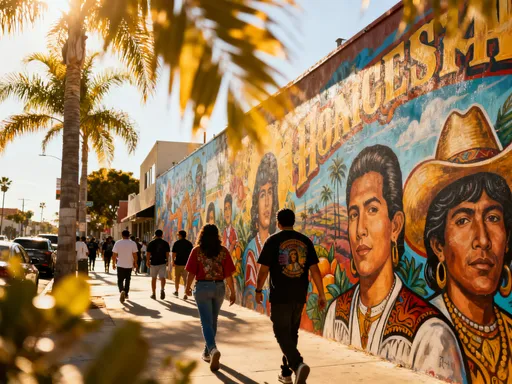
Street art and graffiti also play a role in defining Antwerp’s identity. Unlike cities where such expressions are quickly removed, Antwerp embraces them as part of its cultural dialogue. Legal graffiti zones, particularly in the Eilandje and Borgerhout districts, showcase vibrant murals that reflect local themes, social issues, and artistic experimentation. These works change over time, ensuring that the city’s visual landscape remains dynamic. From a distance, some of these murals can be seen on building façades, adding color and texture to the skyline—especially when viewed through binoculars or telephoto lenses.
Locals, too, influence the skyline through their daily choices—how they maintain historic homes, use public spaces, and support cultural initiatives. Community-led projects, such as neighborhood clean-ups and art festivals, contribute to the city’s overall aesthetic. This bottom-up approach ensures that Antwerp’s beauty is not imposed from above but grown from within. The skyline, therefore, is not just a monument to architects and planners; it is a living expression of collective care and civic pride.
Light, Shadow, and Season: The Skyline in Motion
Antwerp’s skyline is never static. It changes with the light, the weather, and the seasons, offering a different experience with each visit. Golden hour—the hour after sunrise and before sunset—transforms the city into a canvas of warm hues. Sunlight glances off the cathedral’s spire, gilds the glass façade of the Port House, and ripples across the Scheldt, creating a fleeting but unforgettable spectacle. Photographers and casual observers alike time their visits to capture this magic, when shadows stretch long and colors deepen.
The seasonal shifts further alter the mood of the skyline. In summer, the city basks in extended daylight, with clear skies revealing every architectural detail. Trees are in full leaf, softening the urban lines and adding green depth to views from the MAS or river cruises. In winter, the palette shifts to grays and blues, but the city gains a different kind of beauty. Frost on rooftops, bare branches framing the cathedral, and the glow of holiday lights create a quieter, more introspective atmosphere. Snowfall, though rare, can turn the skyline into a scene from a classic European painting.
Night views are equally compelling. Antwerp maintains a moderate level of light pollution, allowing stars to remain visible while still illuminating key structures. Bridges across the Scheldt are lit with subtle white or amber lighting, guiding the eye along the river’s path. Building façades, particularly the cathedral and Central Station, are accentuated with carefully designed illumination that enhances their forms without overwhelming them. The Port House, with its translucent glass panels, appears to glow from within, like a lantern floating above the harbor.
For photographers, capturing Antwerp’s essence requires attention to timing and technique. A tripod is essential for long-exposure shots of the river at night. A polarizing filter can reduce glare during midday visits. Wide-angle lenses work well for skyline panoramas, while telephoto lenses isolate details like carved stone figures or reflections in glass. But beyond gear, the key is patience—waiting for the right light, the right cloud, the right moment when the city reveals itself in full clarity.
Beyond the Postcard: Why Antwerp’s Cityscape Matters
Antwerp’s skyline is more than a collection of buildings—it is a model of sustainable urban evolution. The city demonstrates how preservation and innovation can coexist, offering lessons for other urban centers facing the challenge of growth. By protecting historic landmarks while embracing bold new designs, Antwerp avoids the pitfalls of either stagnation or reckless modernization. This balance is not accidental; it results from careful planning, public engagement, and a deep respect for cultural identity.
The integration of green spaces, cycling infrastructure, and energy-efficient buildings reflects a commitment to environmental responsibility. The Port House, for example, incorporates solar panels, rainwater harvesting, and natural ventilation systems—features that align with global sustainability goals. These choices show that beauty and function are not mutually exclusive; a skyline can be both inspiring and responsible.
For travelers, Antwerp offers a powerful reminder to look beyond the obvious. In a world where popular destinations often become oversaturated, Antwerp stands as a city that rewards curiosity. It invites visitors to slow down, observe closely, and appreciate the layers of history and design that make a place unique. It challenges the assumption that only ancient capitals or global metropolises are worth exploring, proving that mid-sized cities can offer equally rich experiences.
The emotional impact of Antwerp’s skyline lingers long after the visit. It is not just the height of the spire or the curve of the Port House that stays with you—it is the feeling of witnessing a city that knows itself. A skyline that surprises, evolves, and endures. In a time of rapid change, Antwerp offers stability without rigidity, progress without loss. It is a city that dares to be distinct, and in doing so, leaves an indelible mark on all who take the time to see it.
Antwerp’s skyline is more than a collection of buildings—it’s a living dialogue between centuries, styles, and stories. It invites you not just to look, but to see. In a world where cities often blur together, Antwerp dares to be distinct. Whether you're drawn to history, design, or simply moments of quiet awe, this city rewards curiosity. The next time you plan a European escape, let Antwerp’s skyline be your starting point—not your backdrop.